

This past Saturday, my friend and I decided to meet up for our weekly coffee break when suddenly she got an email with a job offer she had been eagerly waiting for.
“I got the job!” she gasped.
We celebrated it in shrieks and hugs, much to the amusement (and mild embarrassment) of the other people at the coffee shop.
Over the years, this friend has become something of a surrogate sister to me. She has filled a sister-like role in my life, celebrating my victories, supporting me through difficult moments, and showing up in ways that feel like family.
We discussed her career prospects and how this job can bring in new opportunities for personal and professional growth. As soon as she gathered herself from all the excitement, she picked up her phone and said,
“I need to call my sister to tell her about the job!”
The feeling of happiness and excitement that I was feeling for her a moment ago turned into a lump in my throat, and then I felt it.
Under my smiles and genuine pleasure, I felt grief. As she hurriedly started dialing, my mind drifted to my own sister. The sister who is now a stranger to me.
While my friend was on the phone, I zoned out deep in my own thoughts, to a childhood that was filled with sisterly love. A space I didn’t want to visit because of the quiet ache it brought along.
All this had me question myself and the situation I was in. What happened? Why did we drift so far away from each other? And the most important question of all:
Am I the problem?
Why Sister Estrangement Hurts So Deeply
They say that having a sister is like having a best friend you can never lose. That no matter what happens, she’ll always stick by your side. The naive part of me wants to believe it wholeheartedly. The older and heartbroken part of me knows it’s far from the truth.
My sister and I were like two peas in a pod. We grew up loving each other and were practically inseparable. I knew I could count on her for anything, and I’m hoping she thought the same.
She was more than just a sister to me. She was my role model. I wanted to be like her, talk like her, and even wanted shiny, straight hair like hers, while mine was naturally wavy, which I have grown to love.
What I once thought of as an unbreakable bond is now buried under the weight of misunderstandings, miscommunication, distance, and an immense amount of hurt that neither of us knows how to undo.
Am I The Problem In Losing My Sister?
I often find myself overanalyzing the last few conversations I had with my sister. I keep replaying them in my head to find some sort of answers. Was the fallout sudden? Was it something that had been unraveling for years? Did I do something wrong? And again, am I the problem?
What once felt so easy and natural became extremely challenging and complicated. Every conversation and comment seemed like an invitation for argument. It went on for a while until all the noise was replaced by silence. Complete silence.
I might never know what caused it and how to fix it. But one thing I know for sure is that I am not alone.
Beyond My Story: The Reality of Family Estrangement and Loneliness
Estrangement is very common in American families. Often considered a ‘silent epidemic’, it affects a large share of the population and continues to rise.
According to a new YouGov poll, 38% of American adults have experienced some form of family estrangement with a sibling, parent, child, grandparent, or grandchild. The reasons for this can be extremely varied and personal, with many people (including myself) still searching for understanding, clarity, and closure.
I know how difficult it can be, and my heart goes out to everyone navigating life without a family net. Whether you’ve lost a sister, brother, mother, father, child, grandparent, grandchild, uncle, aunt, niece, or nephew to estrangement, the hurt is deep and often resurfaces in the most random moments.
We’re often left craving the relationships that we lost, especially the ones we thought would last forever. But you also need to understand and reflect on the adverse impact said relationships had on you and your life.
Setting healthy boundaries is a courageous move that protects your peace and emotional well-being. If reconciling with an estranged family member will bring more pain and emotional distress than happiness, going no-contact is the right thing to do.
How Relative Choice Can Help When Family Feels Out of Reach
Navigating family estrangement can be a daunting task, especially without the right support. For people experiencing loneliness due to family absenteeism, finding a sense of belonging and understanding can feel incredibly difficult.
If that’s your situation, like it is mine, having a place to turn to for safe relationships and connections can make a world of difference.
That is exactly why I wanted to contribute my voice here. Relative Choice is built around something I genuinely believe in: that the people who choose to show up for you can fill spaces that blood relatives sometimes leave behind. When I found a space that held that truth without judgment and without pretending the answer is simple, I wanted to be part of that conversation.
Not only do I see you, I AM you. I truly appreciate you spending your valuable time reading this heartfelt piece of writing from me, especially to you.
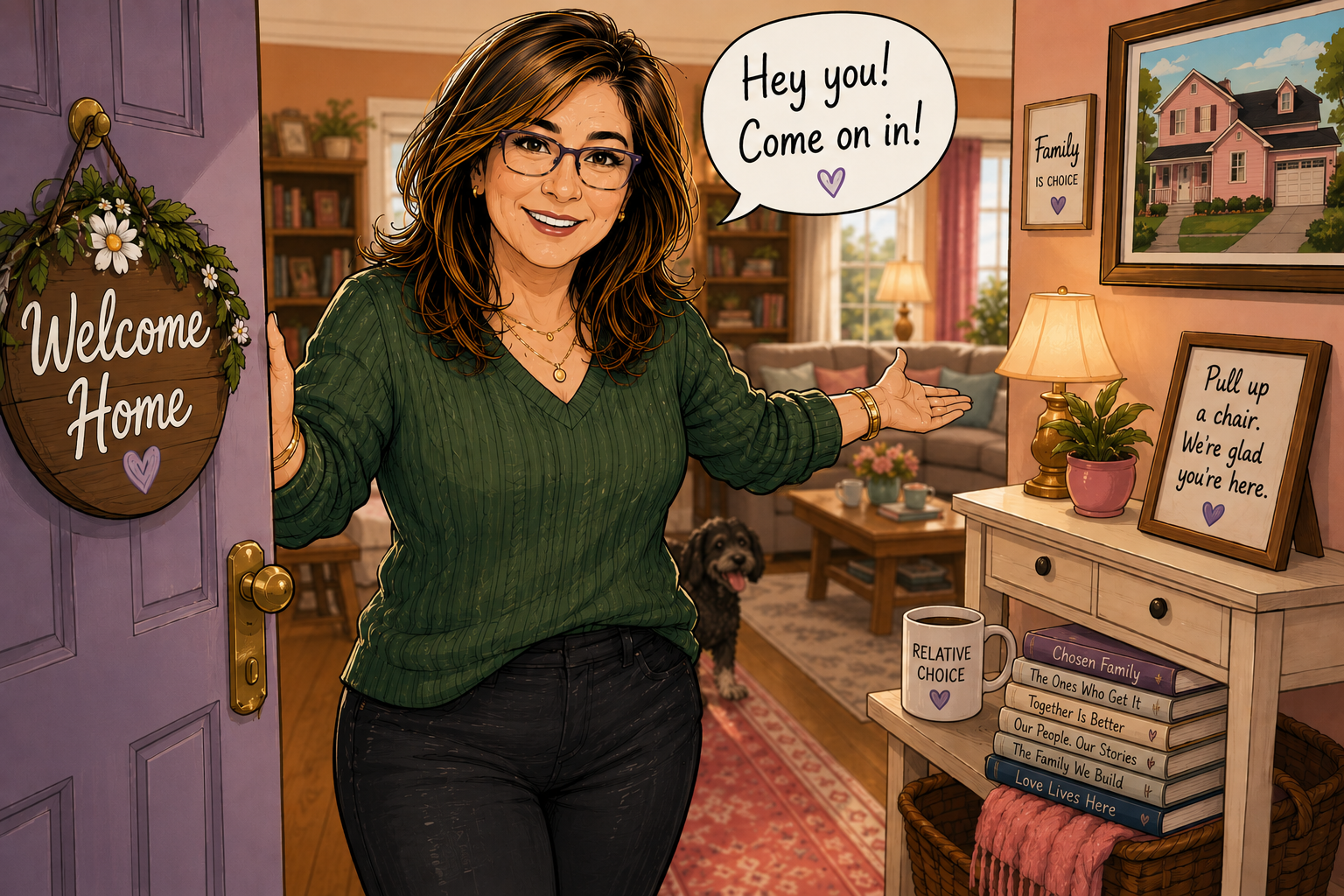
I want to personally invite and welcome you to the Relative Choice family, where you are valued, loved, and an active part of our extended family.
You may connect with me personally and help us all create this beautiful community. Leave a comment or a question here, and I will absolutely respond. Or write to me directly at thefoundingfamily@relativechoice.com (just please use my name as the subject line so it gets right to me!). I appreciate you being here, and I can’t wait for us to build this family together.



Leave A Comment